
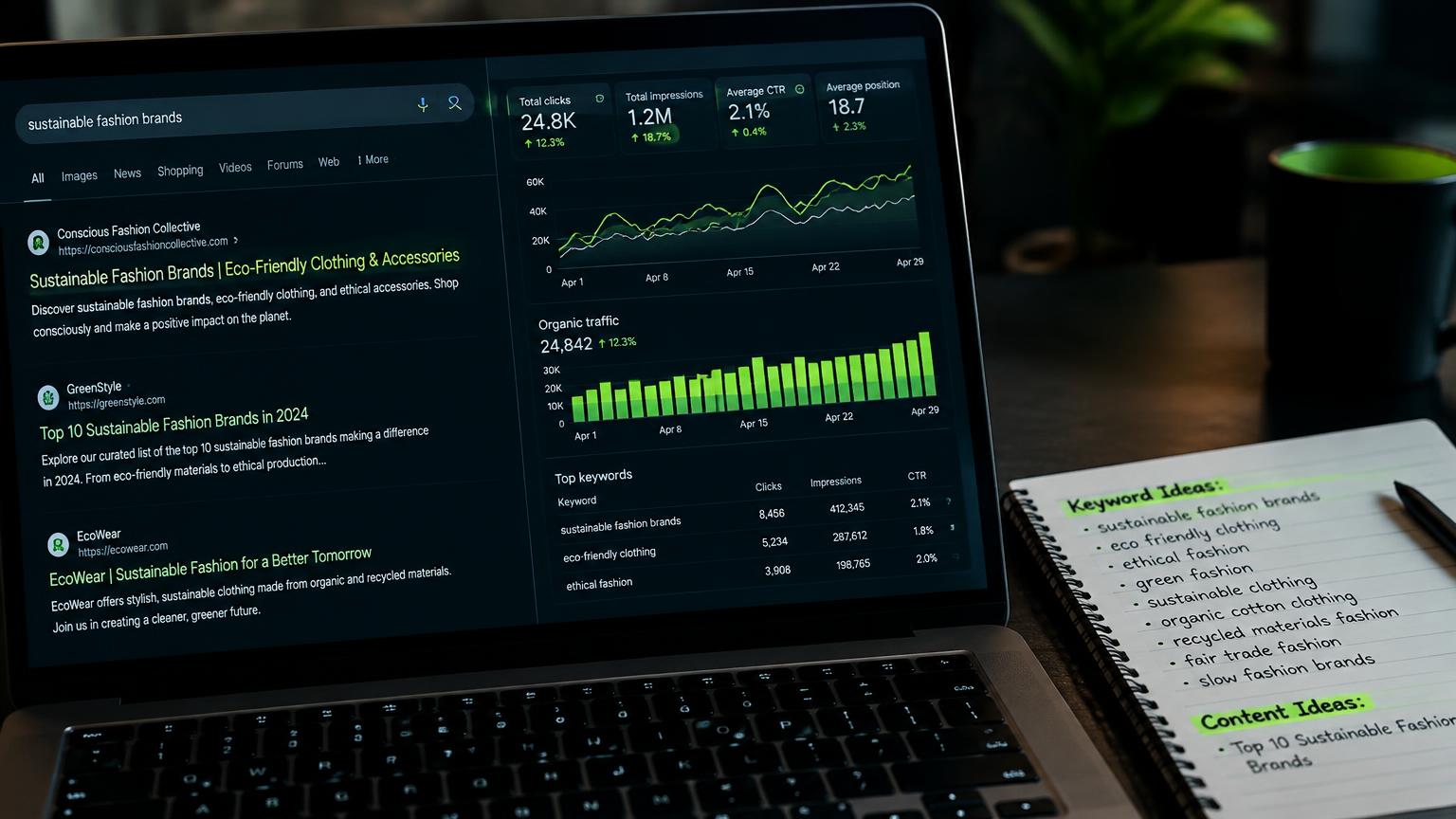
Before writing another blog post, check that search engines can reach, understand and trust the pages you already have. Technical SEO isn't glamorous, but it is the foundation everything else stands on.
This checklist is the one we run for service businesses: the issues that most often hold them back, in roughly the order we'd fix them.
Crawling and indexing
Search engines need to find your pages and be allowed to index them. Leftover 'noindex' tags from a website build, blocked folders in robots.txt and missing sitemaps are surprisingly common.
- A current XML sitemap submitted in Search Console
- No accidental noindex tags on important pages
- One version of the site (https, with or without www) that the others redirect to
- No broken internal links or redirect chains
Speed and stability
Fast, stable pages improve user experience and help search engines crawl efficiently. The usual culprits are oversized images, heavy plugins and third-party scripts loading before the content.
Check your Core Web Vitals in Search Console. Real-visitor data there matters more than a single lab test score.
Structure
One page per service and, where relevant, per location, linked logically, makes relevance obvious. A single 'Services' page listing everything rarely ranks well for any of them.
Use clear headings, descriptive URLs and internal links that explain where they lead. Navigation should reflect how customers think about your work.

Titles, descriptions and on-page basics
Every page needs a unique title that says what it is and who it's for, and a description that gives a reason to click. Duplicate or missing titles are among the most common issues we find.
Schema
Structured data helps search engines understand your business, services, location and reviews. LocalBusiness or Organization schema, plus FAQ and Breadcrumb markup where appropriate, are sensible starting points.
Key takeaways
- →Fix crawling and indexing issues before writing more content
- →Give each service its own focused page
- →Unique titles and descriptions on every page
- →Add structured data that matches what's visible on the page
Common questions
How often should we run a technical audit?+
A full audit once or twice a year, with a quick monthly check of Search Console for new errors.
Will fixing technical issues improve rankings straight away?+
Sometimes improvements show within weeks, but often the benefit is removing a ceiling so content and links can work properly.
Do we need a developer?+
For some fixes, yes. Many others, like titles and internal links, can be handled in your website editor.