

AI image and video tools have changed ad production almost overnight. What used to take a photoshoot and a week of editing can now be roughed out in an afternoon. Meta and Google both build AI creative features straight into their ad managers.
The catch is that everyone has the same tools. Feeds are filling up with glossy, slightly uncanny ads that all look alike, and people have learned to scroll past them. Here's how we use AI to test faster without losing what makes a brand believable.
Use AI for volume, not for the final word
Where AI shines is variation. You can try ten hooks, five backgrounds and three formats for the price of one traditional shoot, and let the ad platform show you which ones people actually stop for.
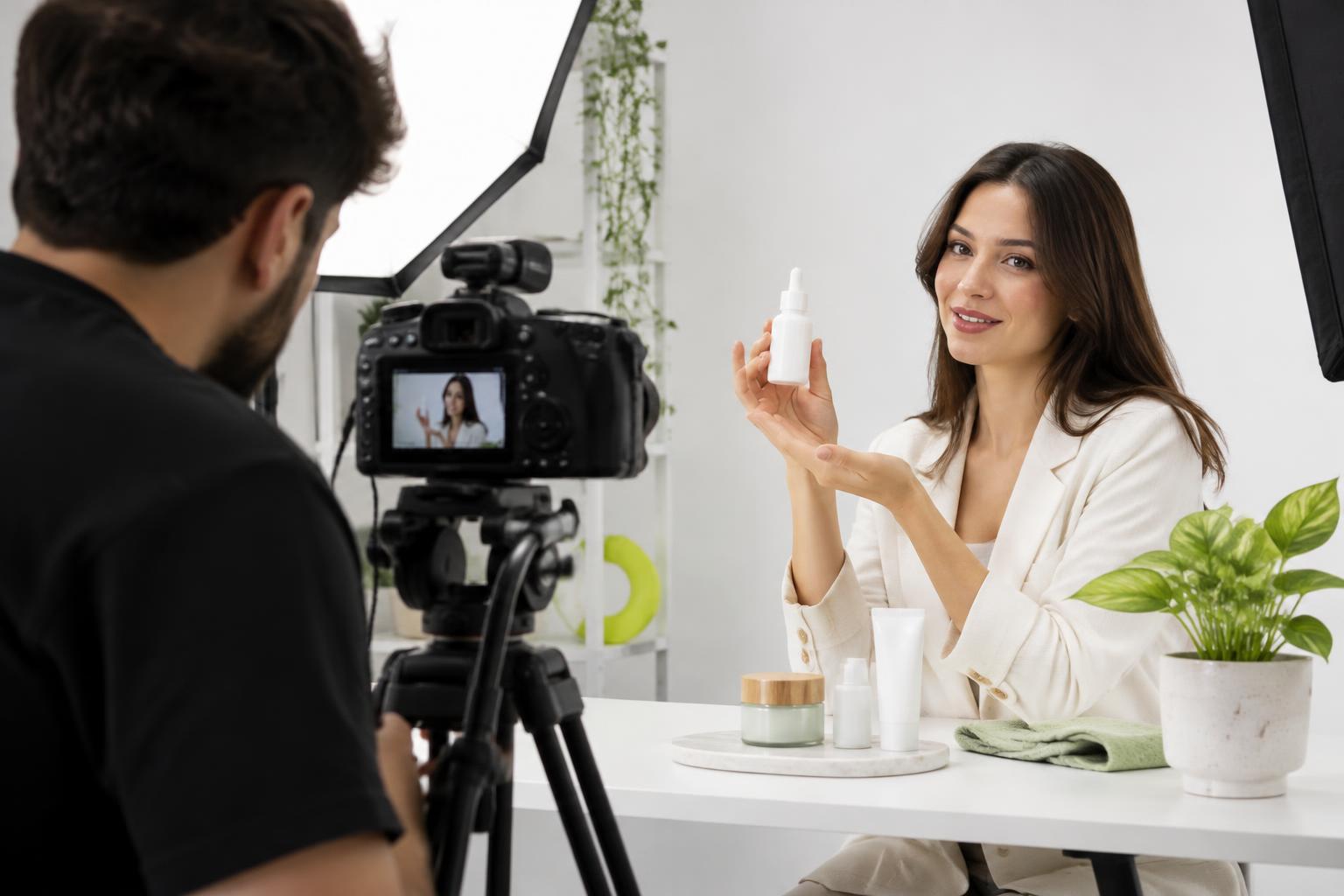
Treat those early versions as experiments. Once an angle proves itself, invest in a polished version, often with real people, real product and real footage.
Never fake proof
Generated "customers", invented testimonials and before-and-after images that never happened damage trust and can break advertising rules and consumer protection law. Platforms are getting better at labelling synthetic media, and audiences are getting better at spotting it.
If an image is illustrative, treat it that way. Reviews, results and people presented as real must actually be real.
- Use real reviews, with permission
- Show your actual product, team and work
- Label illustrative or AI-generated visuals where it matters
- Follow each platform's AI disclosure settings
Give the tools a brand to follow
Generic prompts produce generic ads. Write down your colours, fonts, tone of voice, words you never use and the kind of photos that feel like you. Feed that into every prompt and template, and keep a folder of approved assets for the tools to work from.
Consistency is what lets someone recognise you on the third or fourth time they see an ad, which is usually when they actually click.
Test properly so the numbers mean something
Change one main thing at a time, like the hook, the image or the offer, so you know what made the difference. Give each test enough spend and time to settle, and judge it on leads or sales rather than likes.
Keep a simple log of what you tested and what won. Over a few months that log becomes your most valuable creative brief, AI or not.
Key takeaways
- →Use AI to explore many angles quickly
- →Polish and humanise the winners
- →Never generate fake customers, reviews or results
- →Give every tool clear brand rules
- →Judge creative on leads and sales, not likes
Common questions
Do AI-generated ads perform worse?+
Not automatically. They work well for quick testing and simple product shots, but heavily synthetic ads with fake-looking people often get ignored. Results depend on the offer and audience.
Do I have to disclose AI-generated ads?+
It depends on the platform, the content and where you advertise. Meta and Google have disclosure rules for certain realistic or political content, so check their current policies.
Can AI replace a photoshoot?+
For backgrounds, mockups and variations, often yes. For trust-building content showing your team, customers and real work, genuine footage still wins.