
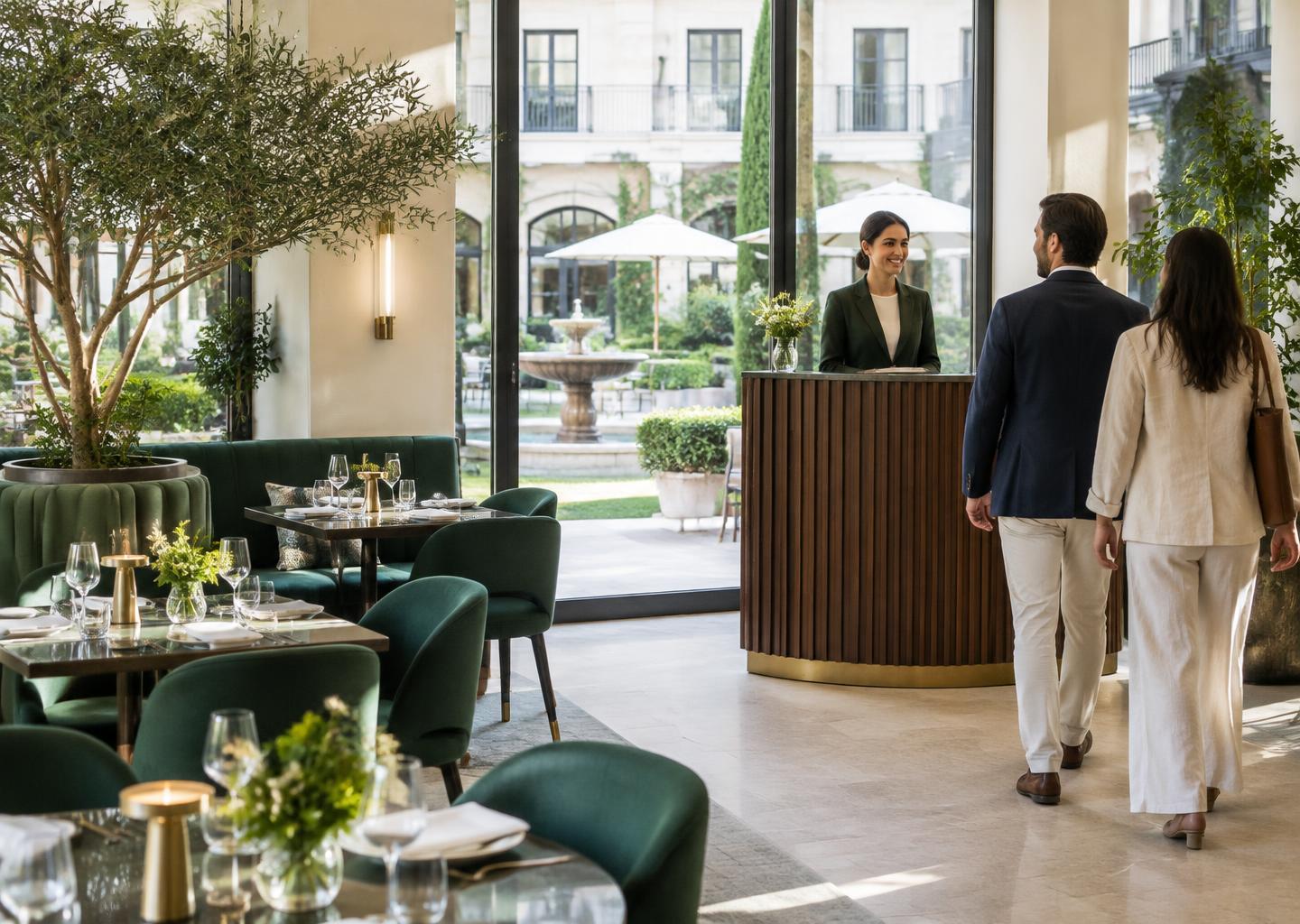
Case study / Hospitality
Fill midweek seats and smooth out reservation volume across venues.
Overview
The situation.
Three venues, one generic campaign, and a weekly pattern every operator recognises: full on Saturday, echoing on Tuesday. The group didn't need more demand overall—it needed demand in the right places at the right times.
A single campaign promoted all three venues with the same imagery and the same message. Google Business Profiles were incomplete, so map searches sent diners to competitors. Weekend bookings looked after themselves, but midweek covers were unpredictable, and no-shows quietly ate into the evenings that were busy.
At a glance
- Industry
- Hospitality
- Campaign
- Meta Ads by venue radius plus Google Business Profile optimization.
- Focus
- Fill midweek seats and smooth out reservation volume across venues.
Brief
The engagement at a glance.
Client
Sample Client H
Industry
Hospitality
Challenge
Three venues shared one generic campaign, and weekend covers were unpredictable.
Objective
Fill midweek seats and smooth out reservation volume across venues.
Strategy
Venue-level campaigns · Occasion-based offers · Reservation reminder automation
Creative
Dish photography and short behind-the-pass video.
Campaign
Meta Ads by venue radius plus Google Business Profile optimization.
Funnel
- 01Ad / maps
- 02Venue page
- 03Booking widget
- 04Reminder
- 05Visit
Approach
How we tackled it.
Business Profiles were completed and photographed in week one—that alone moved map visibility. Venue campaigns launched in week two, with midweek occasion offers tested across the first month. The reminder flow went live in week three, and the group reviewed covers, no-shows and return visits with marketing every month.
Venue-level campaigns
Each venue got its own campaign, radius and creative, so a neighbourhood bistro stopped competing with its sister rooftop bar for the same click.
Occasion-based offers
Midweek promotions were built around occasions—date night, pre-theatre, team dinners—rather than blanket discounts that trained people to wait for a deal.
Reminder automation
A simple confirmation and reminder flow, with an easy way to release the table, cut no-shows and let the team resell cancelled slots.
Results
Performance over time.
Illustrative campaign figures—not actual client results, forecasts or guarantees.
+38%
Midweek covers
-31%
No-shows
+17%
Return visits
Qualified leads trend
Monthly conversions
Learnings
What we learned.
- → Occasion-led offers beat generic discounts.
- → A simple reminder flow cut no-shows more than any ad change.
Takeaways for your business
- ✓A group of venues is a portfolio, not a brand—market each one on its own terms.
- ✓Occasions sell tables better than discounts do.
- ✓The cheapest booking to get is the one you don't lose to a no-show.
Questions
Questions about this kind of engagement.
Did midweek offers hurt weekend trade?+
No. Offers were restricted to the nights that needed them, and weekend demand was left to grow on its own.
How much did the Business Profile work matter?+
Significantly. For local dining, the map listing is often the first and last thing a diner sees before booking.
What drove the return-visit increase?+
An opt-in follow-up after the first visit—a thank-you, a reason to come back, and eventually a loyalty nudge—kept the venues in mind between occasions.
More studies
Explore other industries.


Want a plan like this for your business?
Start with a growth audit—we'll map your funnel and show you where the biggest gains are.